



Wireless Tower Crane Camera System: Definition and Benefits
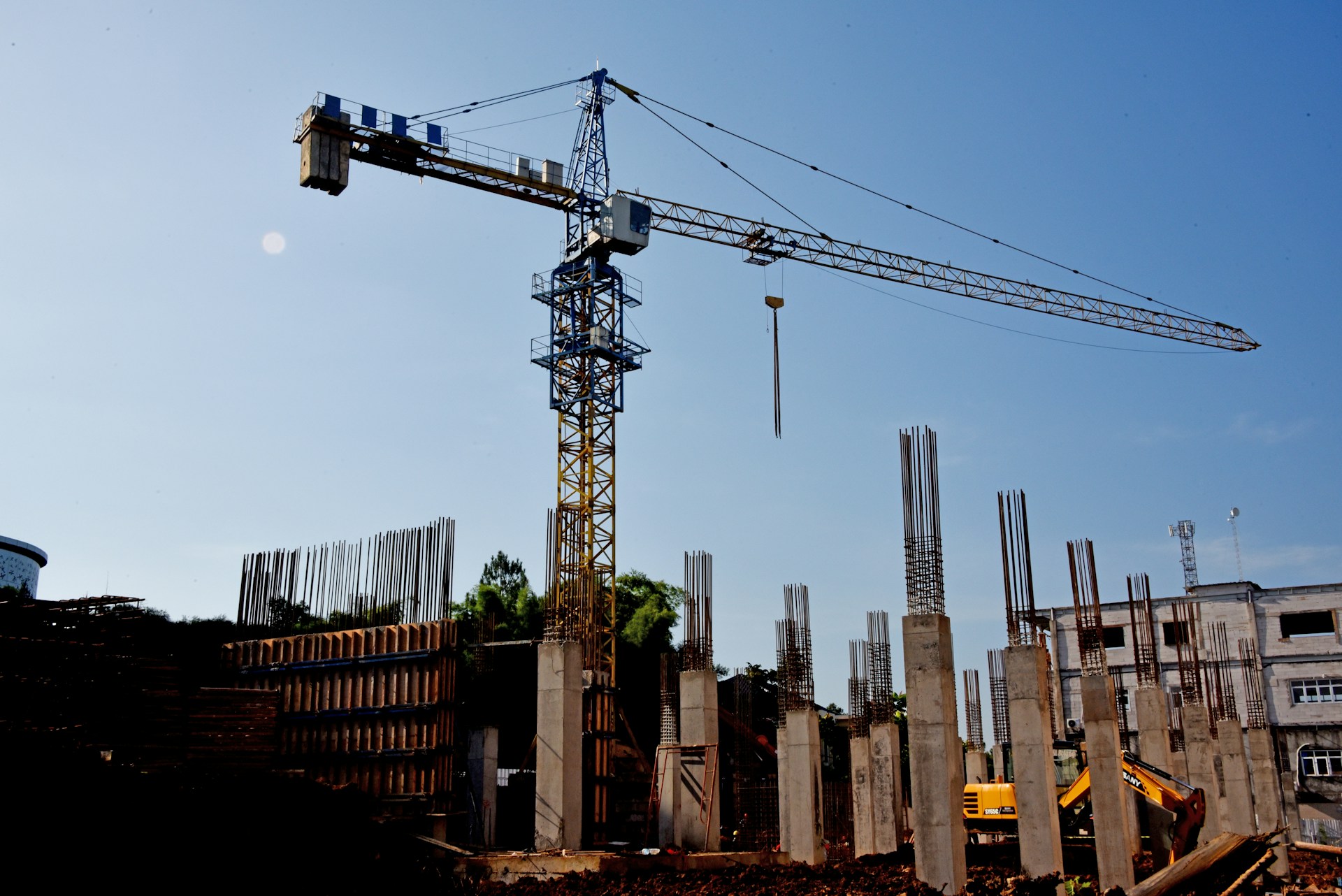
On construction sites, especially in high-rise and large-scale, complex projects, maintaining safe and efficient operations can be challenging. Tower crane operators often work high above the ground, where buildings and other structures can create blind spots, particularly when placing loads behind obstacles or into holes.
Traditionally, operators rely on signal persons to communicate instructions via wireless transceivers. However, unclear communication can result in serious safety incidents and irreversible consequences.
Wireless tower crane camera systems provide operators with a clearer view of the hook and surrounding area, helping improve safety and operational efficiency. In this article, we will introduce how these systems work, their key benefits, and common applications.
What Is a Wireless Tower Crane Camera System?
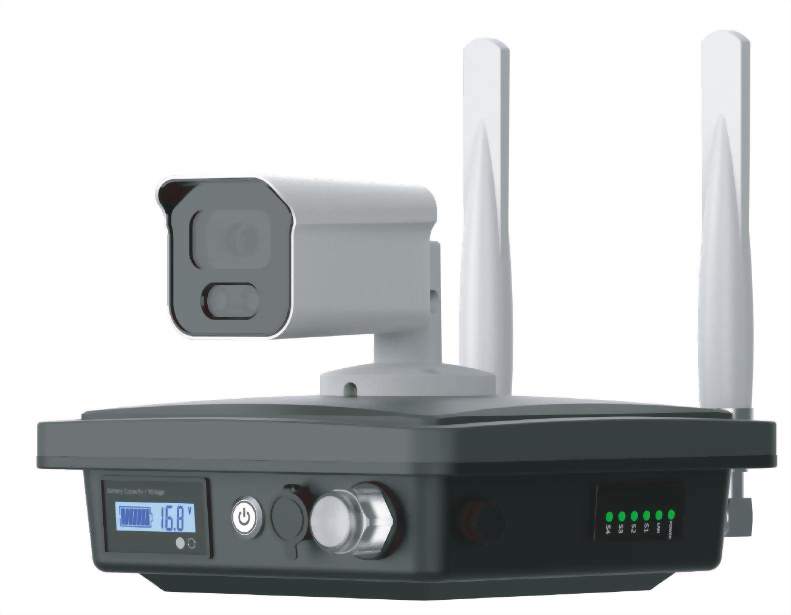
A wireless tower crane camera system is a long-range, wireless IoT-based camera solution designed to improve crane safety and efficiency on construction sites. A camera mounted on the hook captures a live view of the lifting area and wirelessly transmits the footage to a tablet in the crane cabin, allowing operators to monitor the load more clearly. Health, Safety, and Environment (HSE) teams and project managers can also use the system for remote monitoring.
A typical system includes a camera, wireless transmission equipment, a monitor, and a power source. With no complex cabling required, the system can be installed quickly and easily.
How To Operate Wireless Tower Crane Camera Systems
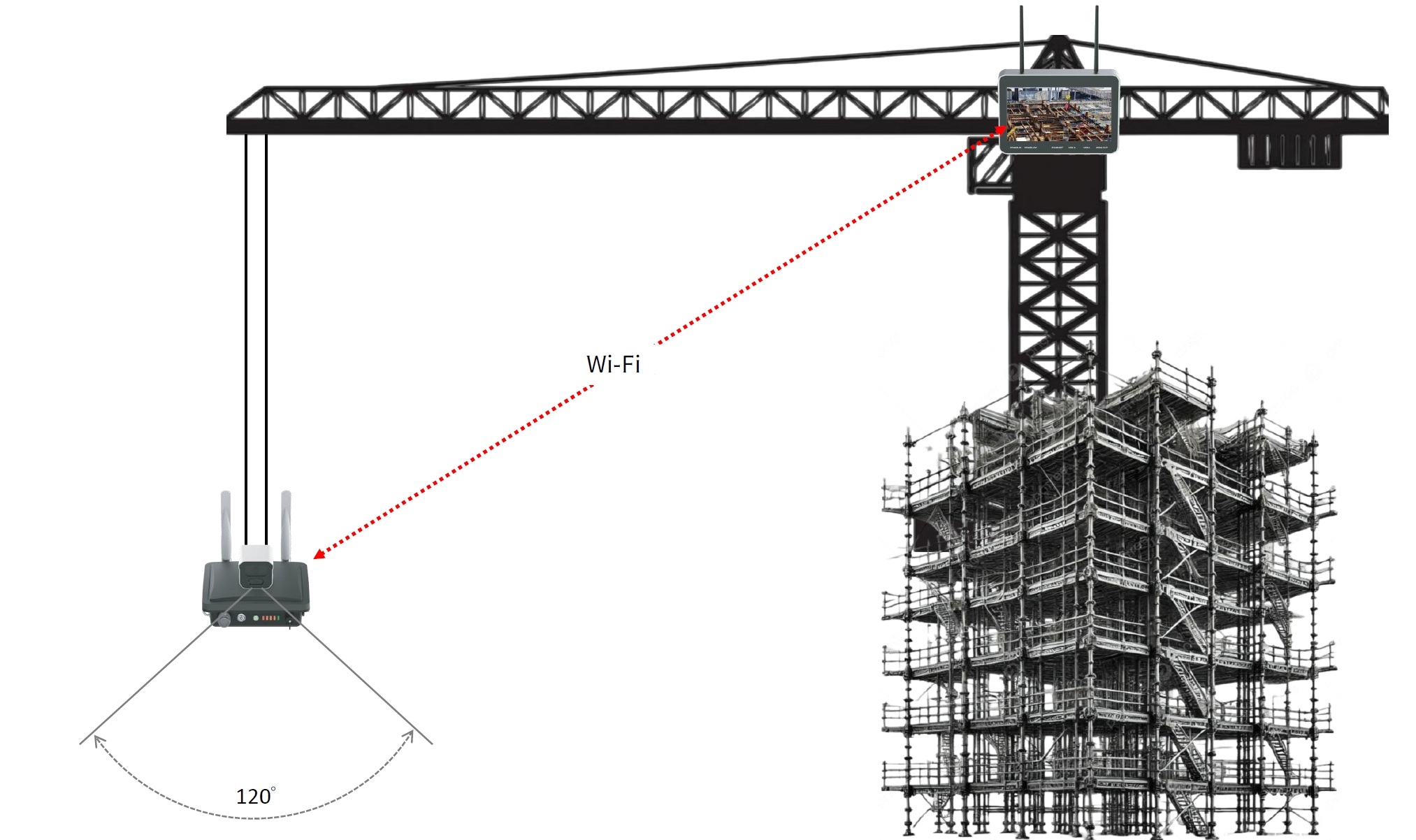
Follow these steps to set up and operate the system:
- Install the equipment: Mount the camera, wireless AP (Access Point), and battery module, typically at the hook area. Some all-in-one solutions integrate these components into a single unit, enabling a much faster setup and eliminating the need for external cables.
- Connect the wireless devices: Establish a wireless connection between the crane-mounted equipment and the receiver in the cabin. Configure the required network and account settings for real-time video transmission.
- Monitor the video: Once connected, the live video feed from the crane-mounted camera is displayed on the monitor inside the cabin, allowing operators to monitor lifting operations in real time. Authorized personnel, such as HSE teams and project managers, can also access the video remotely for simultaneous monitoring.
Key Benefits Of Wireless Tower Crane Camera Systems
Wireless tower crane camera systems can improve lifting safety and precision, increase operational efficiency, support remote collaboration, and preserve video records.
1. Enhance Safety and Lifting Precision
The system provides a wider view of the lifting area and reduces blind spots, helping operators clearly monitor the hook, load, and surrounding obstacles. This can reduce human error and delays caused by misjudgment or unclear instructions, enabling safer and more precise lifting operations.
2. Increase Operational Efficiency
Real-time video allows operators and project teams to make faster, more informed decisions during lifting operations. This can reduce unnecessary adjustments and delays, making workflows smoother and more efficient.
3. Enable Remote Collaboration
HSE teams, project managers, and other authorized personnel can access the live video feed remotely. Through a 3G/4G router, the video can also be viewed on smartphones and other remote devices, enabling multiple team members to monitor lifting operations simultaneously. This is particularly useful for projects with multiple teams or work areas that require real-time coordination.
4. Preserve Video Records
The system can record and preserve lifting operations for future reference. These video records can help project teams review incidents, verify operations, and resolve disputes when needed.
Common Applications Of Wireless Tower Crane Camera Systems
Wireless tower crane camera systems are particularly useful in construction and lifting environments where visibility, precision, or coordination can be challenging.
1. High-rise construction projects
Tower crane operators often work at significant heights, where buildings and other structures can obstruct their line of sight. A crane-mounted camera provides a wider perspective of the hook, load, and surrounding area, helping operators maintain better visibility when direct line of sight is limited.
2. Bridge and infrastructure construction
Bridge and infrastructure projects often span large and distributed work areas. The system helps operators maintain visibility across wider lifting zones, reducing unnecessary adjustments and delays caused by limited visibility.
3. Port and heavy lifting operations
Port and heavy lifting operations often involve oversized and heavy loads that require careful positioning. An additional camera view helps operators judge load movement and placement more accurately, reducing the risk of human error.
4. Industrial facility construction
Complex structures, equipment, and materials can obstruct the operator’s view during lifting. The camera provides an additional view of hard-to-see areas, while remote access allows project teams to monitor operations and coordinate more effectively.
FAQs
Q1. Does the crane camera system require cables?
Wireless tower crane camera systems typically eliminate the need for long signal cables between the crane-mounted camera and the cabin. Video is transmitted wirelessly to the monitor or tablet, simplifying installation and reducing cable-related maintenance. However, some systems may still use short cables to connect individual components, depending on the system design.
Q2. Is installation complicated?
No. Wireless tower crane camera systems are designed for quick and simple deployment. Installation typically involves mounting the camera system and battery module on the crane and setting up the receiver in the cabin. All-in-one solutions can further simplify installation by integrating multiple components into a single unit, reducing the need for cabling.
Upgrade Crane Operations with APM’s All-in-One Solutions
As construction projects become more complex, the need for safer and more efficient lifting operations continues to grow. Wireless tower crane camera systems are becoming an increasingly important part of modern construction, helping improve visibility, lifting precision, and operational safety.
Based in Taiwan, APM is a professional manufacturer of wireless crane camera systems. APM takes wireless crane camera systems a step further with all-in-one solutions that integrate the camera, Wi-Fi AP, and battery module into a single, compact unit. Unlike conventional setups that require multiple components and complicated cabling, APM’s integrated design simplifies installation and enables faster deployment.
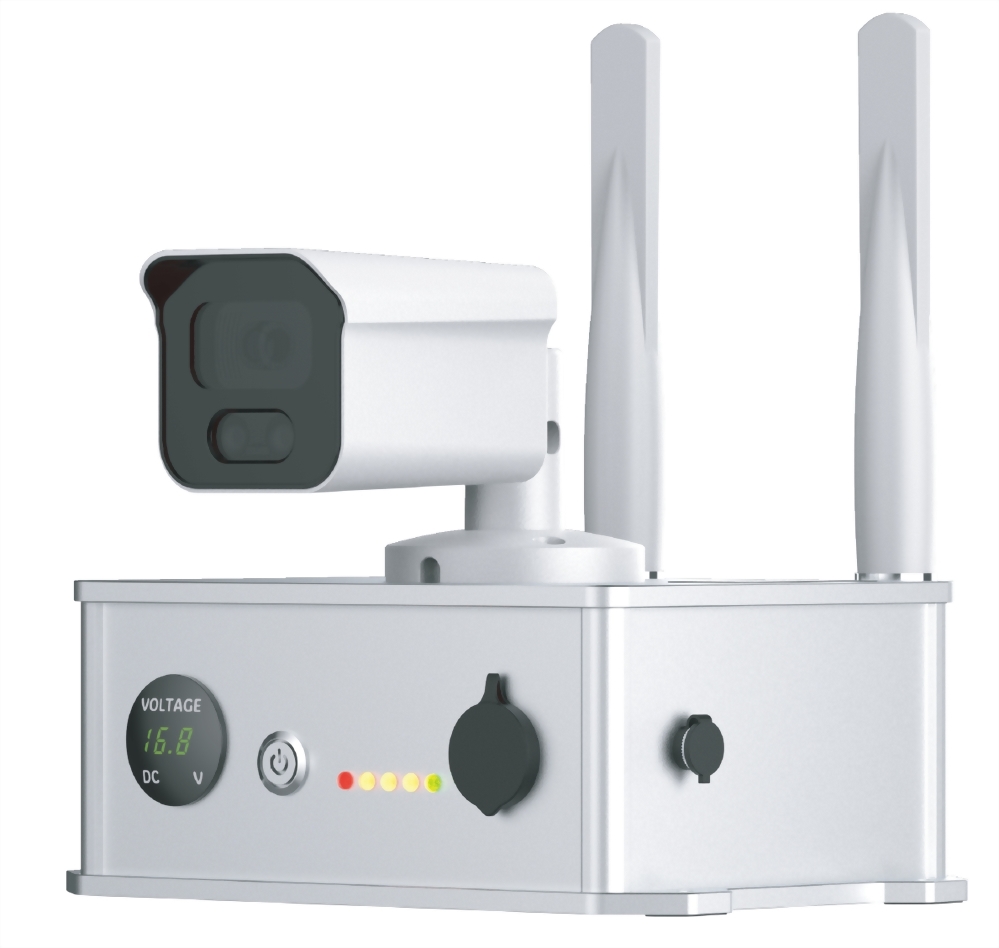
With a 120-degree field of view, the camera provides a wider perspective and helps reduce blind spots during lifting operations. Multiple battery capacities are available to meet different operating requirements, providing greater flexibility for various crane applications. Beyond tower cranes, APM’s solutions can also be deployed on outdoor lifting equipment, including mobile cranes, telescopic cranes, and other types of cranes.
Looking to make your lifting operations safer, simpler, and more efficient? Contact us today.